Source Styrene Butadiene Rubber for Tires, Cables, and Adhesives
Find 30 styrene butadiene rubber products from China suppliers. Compare grades like SBS and BR, packaging options, and specifications for tires, cables, and adhesives. Evaluate material properties such as weather resistance and chemical stability to select the right grade for your manufacturing needs.
Key considerations
Products List






Comprehensive Sourcing Guide
Styrene Butadiene Rubber Sourcing Guide
Buyers must first distinguish between the specific polymer types listed, as the market offers both Styrene Butadiene Rubber (SBR) and Butadiene Rubber (BR) under similar search terms. The provided data indicates distinct chemical formulas and applications, with SBR often associated with tire and cable manufacturing while BR is noted for construction materials and general rubber products. Understanding this fundamental difference is critical before initiating any procurement process to ensure the selected material matches the intended end-use requirements.
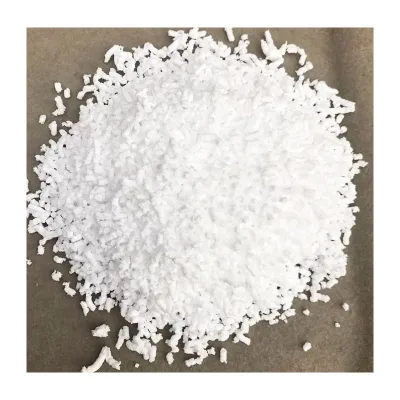
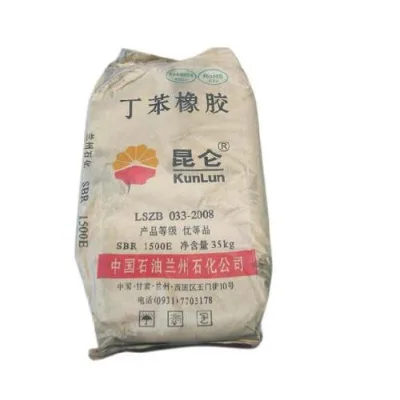
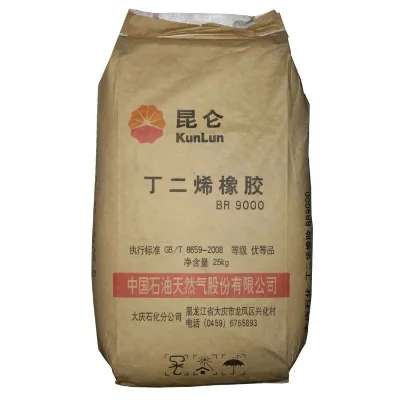
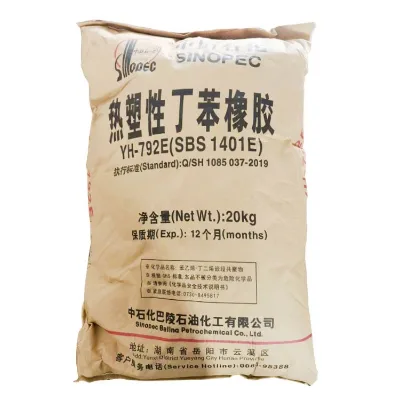
Procurement teams should also verify the physical form and packaging specifications immediately, as listings vary significantly between white loose columnar solids and massive raw rubber forms. The observed packaging ranges from 25 kg to 35 kg per bag, with some suppliers offering customized options, which directly impacts logistics planning and storage requirements. Confirming the exact shape and unit weight early prevents mismatches between the ordered material and the production line's handling capabilities.
Product Scope and Observed Listing Signals
The observed product listings reveal a wide spectrum of grades tailored for diverse manufacturing processes, including spray coating, calendering, rotational molding, and extrusion. Buyers should carefully cross-reference these specific grade names against their production needs, as the availability of specialized variants like foaming, hot melt, or high-flow grades dictates the material's suitability for complex applications. The presence of multiple model numbers, such as 1502 and 1712, suggests that different formulations exist for specific performance profiles that must be matched to the final product design.
Market signals indicate that customization is a standard offering, allowing buyers to request specific packaging or material modifications to fit unique operational constraints. However, the variation in single package sizes, ranging from compact 75x45x15 cm units to larger 110x110x120 cm configurations, requires careful logistical assessment. Procurement teams must evaluate whether the available packaging aligns with their warehouse capacity and material handling equipment before finalizing any purchase order.
Technical Specifications to Verify
Technical verification must begin with the chemical composition, specifically confirming the molecular formula and molecular weight to ensure the polymer meets the required structural integrity. The data highlights specific identifiers like CAS numbers 9003-55-8 and 9003-17-2, which correspond to different polymer types and must be validated against the supplier's technical data sheet. Buyers should also check the glass transition temperature, noting the observed value of -110℃, to ensure the material performs correctly in the intended environmental conditions.
Performance characteristics such as flame retardancy, chemical resistance, and weather resistance are critical attributes that require explicit confirmation for every batch. The listings mention high crystallinity and high impact resistance as key features, but these claims must be substantiated by independent test results rather than relying solely on product descriptions. Additionally, verifying the purity level, which is listed as 99% in some contexts, is essential for applications in medical or electronic components where impurities could compromise safety or functionality.
Compliance and Safety Documentation
Compliance verification should prioritize the presence of recognized certifications, with ISO certification appearing as a standard requirement for reputable suppliers in this sector. Buyers must request current certification documents to confirm that the manufacturing facility adheres to international quality management standards, as this is a primary indicator of process reliability. The absence of specific certification details in general listings necessitates a direct inquiry to the supplier to obtain valid, up-to-date proof of compliance before any transaction proceeds.
Safety documentation must also address the storage and handling requirements explicitly stated in the product attributes, such as the instruction to store materials in a cool, dry place. Procurement teams should ensure that the supplier provides Material Safety Data Sheets (MSDS) that align with these storage conditions and detail any potential hazards associated with the raw rubber forms. Verifying that the supplier's safety protocols match the buyer's internal safety standards is a non-negotiable step to mitigate risks during transportation and storage.
Cost Drivers and Commercial Terms
Cost structures in this market are heavily influenced by the minimum order quantity (MOQ), which varies significantly from 1 unit to 500 units or even 1 ton depending on the specific product variant. Buyers need to calculate the total landed cost by factoring in these MOQ thresholds, as purchasing below the standard tonnage may result in higher per-unit pricing or require the consolidation of orders from multiple suppliers. The observed price range of 0.35 to 2200 USD reflects this variability, making it essential to clarify the exact pricing tier before negotiating.
Commercial terms regarding packaging and sample availability also play a pivotal role in the overall cost and timeline of the procurement cycle. While free samples are often available to facilitate technical evaluation, the transition to bulk production involves specific packing standards like woven bags or 25 kg bags that affect shipping costs. Buyers should negotiate clear terms for customized packaging and sample fees to avoid unexpected expenses, ensuring that the final commercial agreement reflects the true cost of the material in its required form.
Supplier Qualification and Quality Control
Supplier qualification requires a rigorous assessment of the production origin, with Hebei, China, and general China origins being the primary sources identified in the current market data. Buyers should verify the specific factory location and capacity to ensure it aligns with their supply chain resilience strategies, as regional concentration can impact lead times and logistics stability. Confirming the brand name, such as LINYI, and cross-referencing it with the supplier's corporate identity helps establish a clear chain of custody and accountability for the product quality.
Quality control protocols must be established to verify that the physical attributes, such as the white color and solid shape, remain consistent across all production batches. The presence of multiple grade options implies that quality control processes must be granular enough to distinguish between different formulations like M10, M7.5, or M15. Buyers should implement a sampling plan that tests for the specific features listed, such as wear resistance and low-temperature resistance, to ensure the delivered material meets the agreed-upon technical specifications.
Long-Term Procurement Checks
Long-term procurement success depends on establishing a robust framework for monitoring supplier performance and material consistency over time. Buyers should schedule regular audits to verify that the supplier continues to meet the ISO standards and maintains the specified purity and chemical resistance levels. This ongoing verification is crucial because the raw material market can fluctuate, and maintaining a consistent supply of high-quality Styrene Butadiene Rubber requires proactive management of the supplier relationship.
Strategic planning must also account for the evolving nature of product applications, such as the expanding use in automotive parts, optical grades, and medical components. Procurement teams should regularly review the supplier's ability to adapt to new grade requirements and ensure that the material remains suitable for emerging industry standards. By maintaining a dynamic view of the product scope and technical specifications, buyers can mitigate the risk of obsolescence and ensure a steady supply of materials for their diverse manufacturing needs.
FAQs
What is the primary material composition of this rubber?
The product is primarily composed of Styrene Butadiene Rubber and Natural Rubber. It is also identified as a Styrene Butadiene Styrene Block Polymer suitable for various industrial applications including tires and cables.
Which certifications does the manufacturer hold for this product?
The product holds ISO certification as a standard quality assurance measure. This ensures the material meets international standards for safety and performance in applications like automotive parts and wire and cable grades.
How is the product packaged for shipping and storage?
The product is typically packaged in 25 kg or 35 kg woven bags. For storage, it must be kept in a cool, dry place to maintain its physical properties and prevent degradation during transit or warehousing.
Can buyers request customization for specific molding grades?
Yes, customization is available for various grades including spray coating, calendering, and rotational molding. Buyers can select specific grades like M10 or M15 to match their unique manufacturing requirements and application needs.
What are the key physical features of this rubber material?
Key features include flame retardancy, chemical resistance, and high impact resistance. The material also offers low temperature resistance and high crystallinity, making it suitable for demanding environments and specialized industrial uses.
What is the minimum order quantity for purchasing this rubber?
The minimum order quantity ranges from 1 unit up to 500 units depending on the specific product configuration. Some listings specify a minimum of 25 kg or 1 ton for bulk industrial transactions.
Where is the origin of this styrene butadiene rubber product?
The product originates from Hebei, China. This location is a known manufacturing hub for rubber products, ensuring consistent supply chains for international buyers seeking reliable sources for industrial rubber materials.